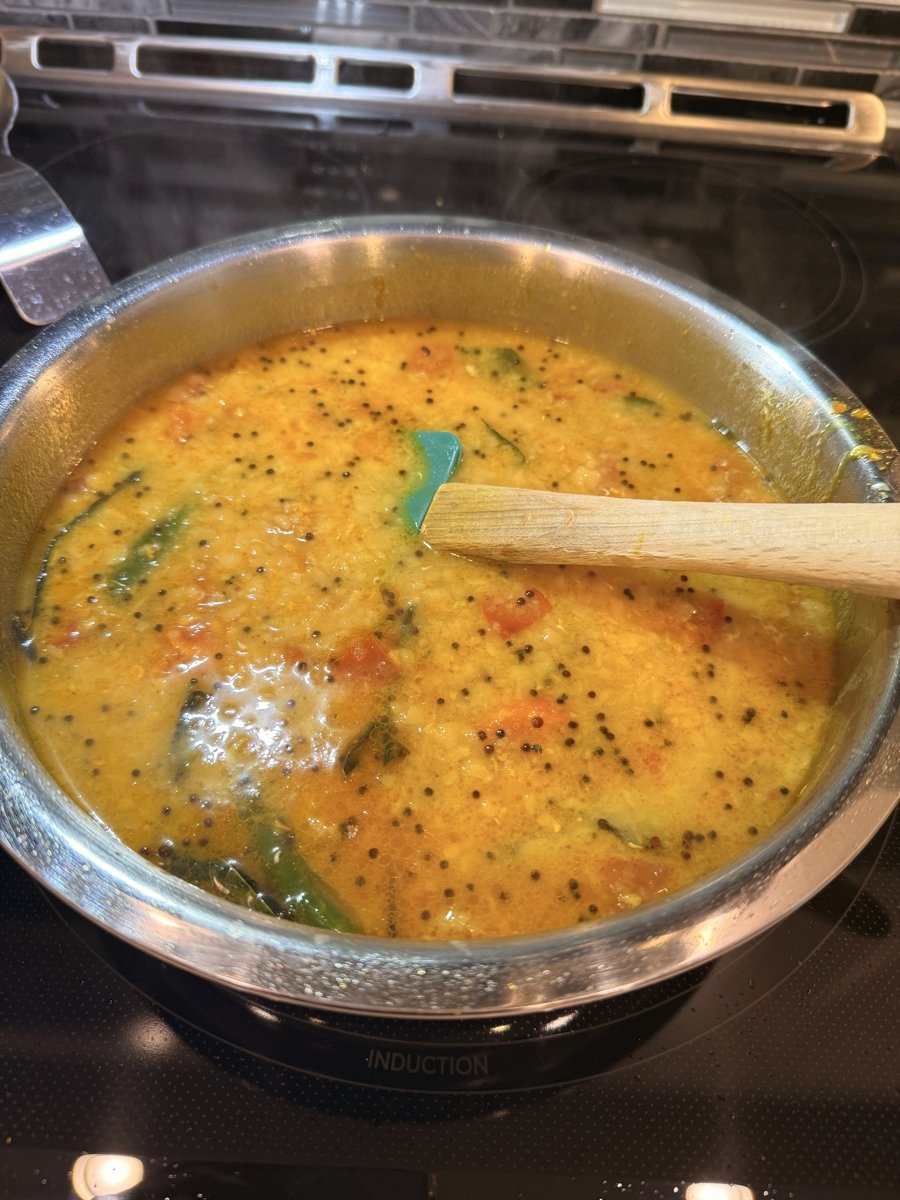
Toor Dal
Golden split pigeon peas, cooked until silken and cloud-soft, then crowned with a blazing tarka of mustard seeds, ginger, curry leaves, and ghee. Ancient. Humble. Perfect.
In every Indian kitchen, dal is not merely a dish — it is a ritual. The pop of mustard seeds, the perfume of curry leaves hitting hot ghee, the slow simmer of turmeric-gold lentils — these are the sounds and smells of home. This is that recipe.
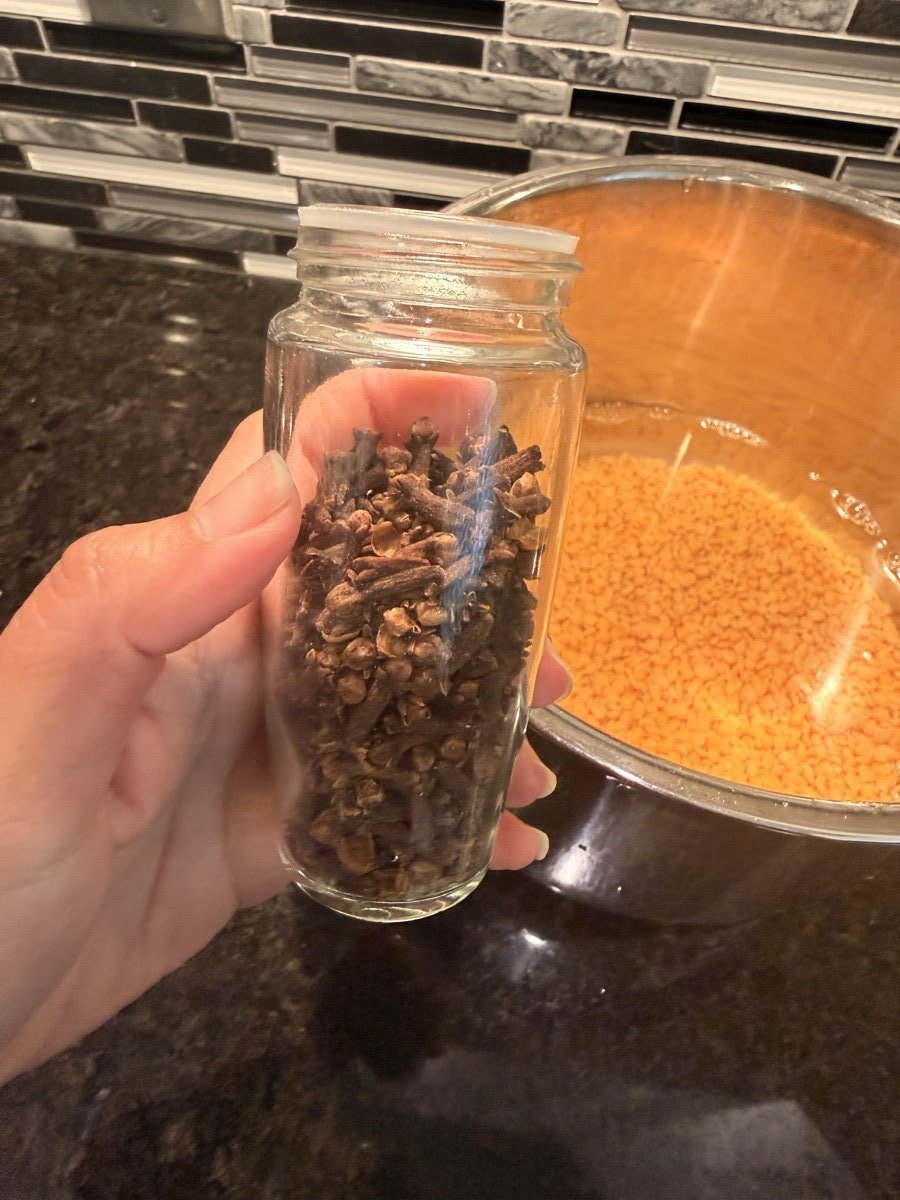
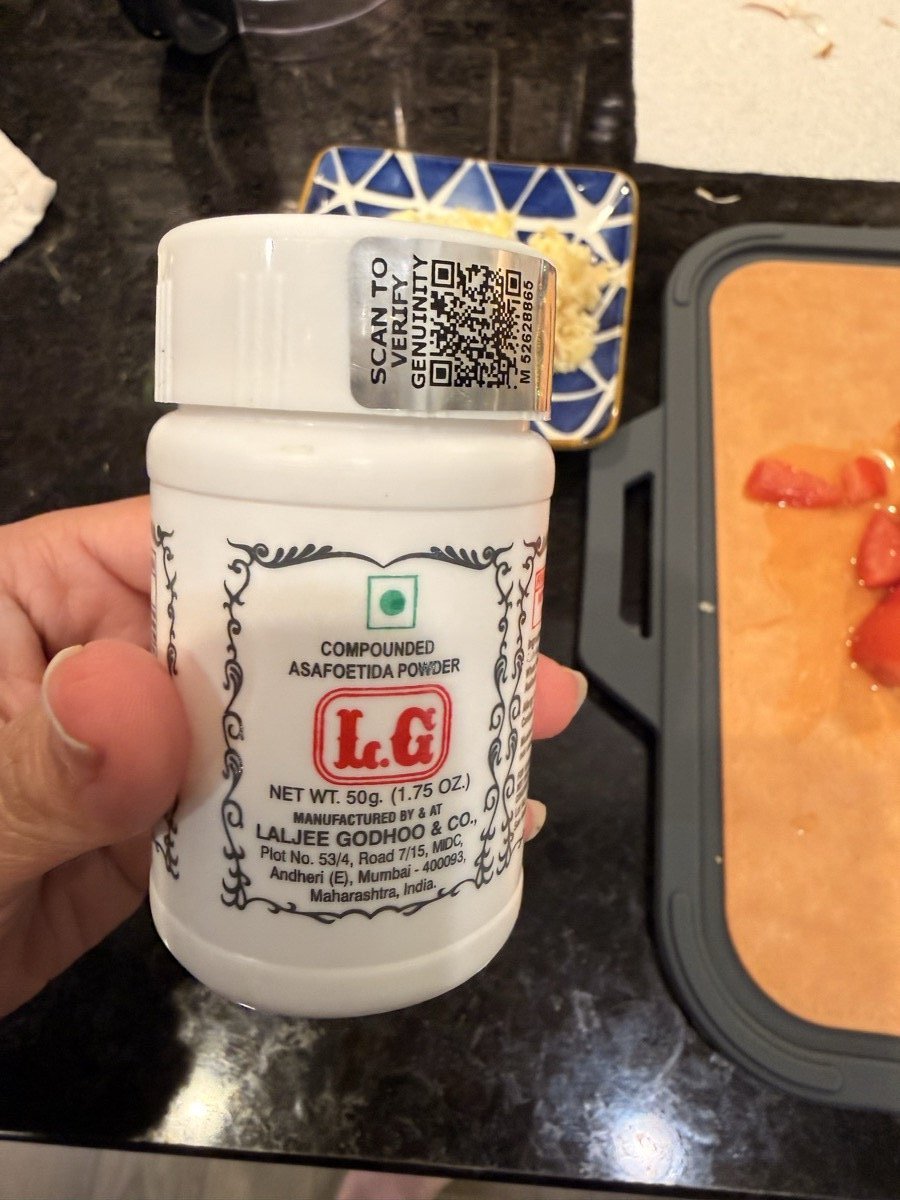
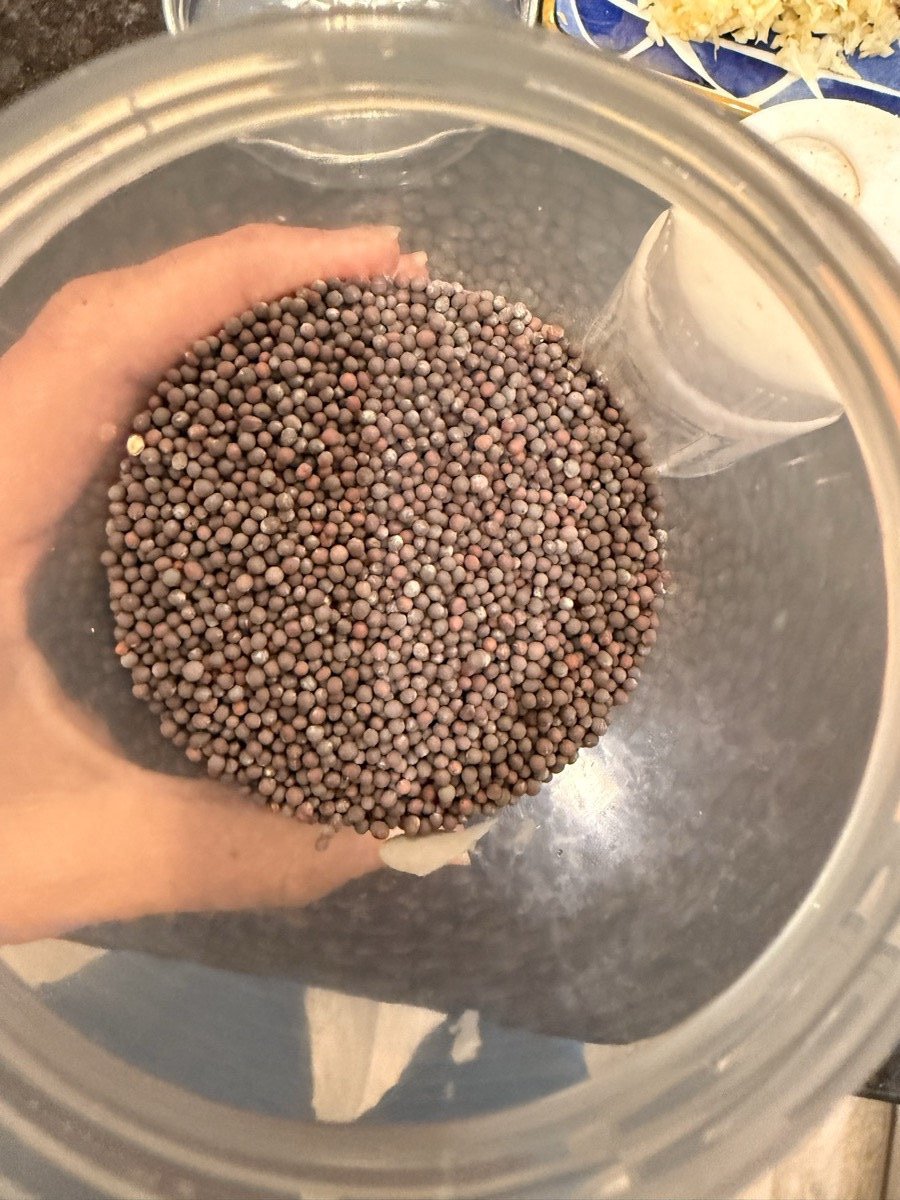
The Ingredients
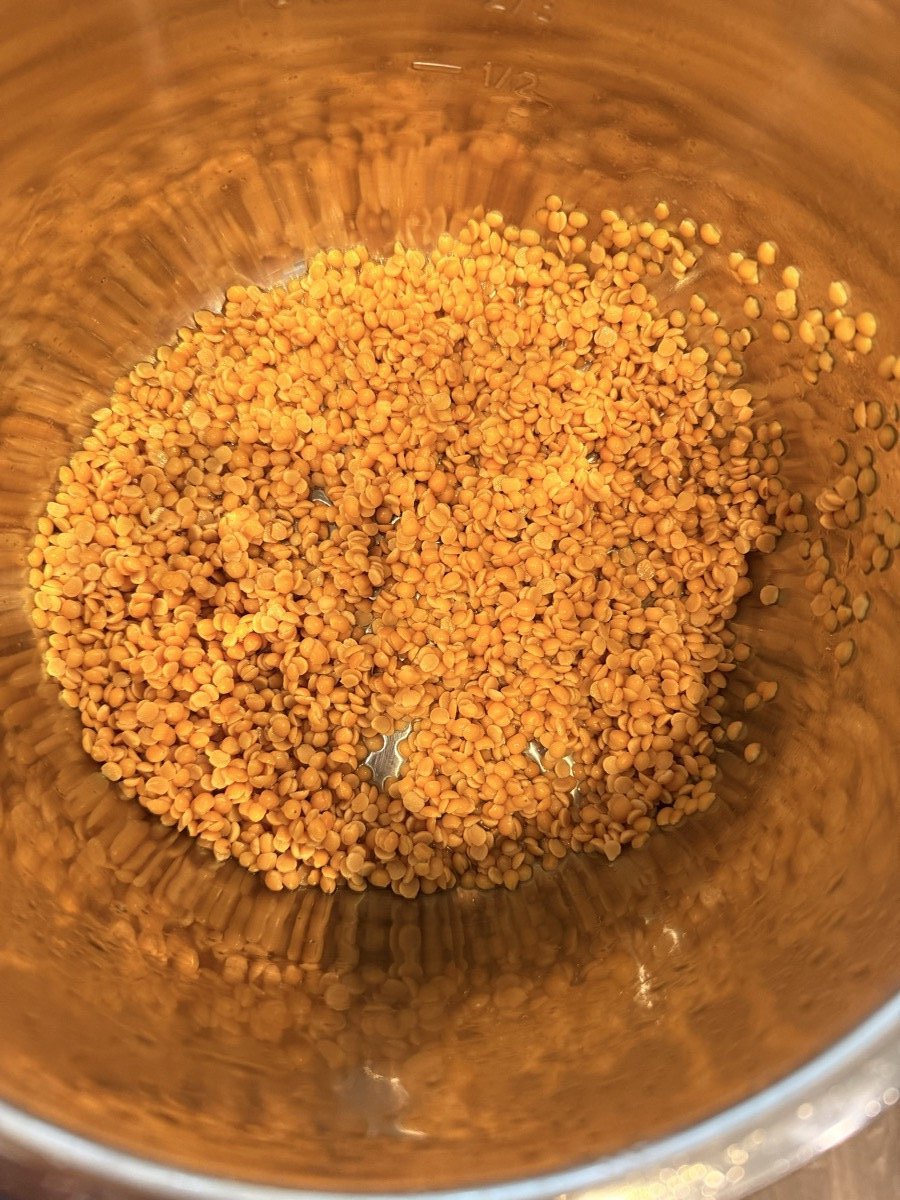
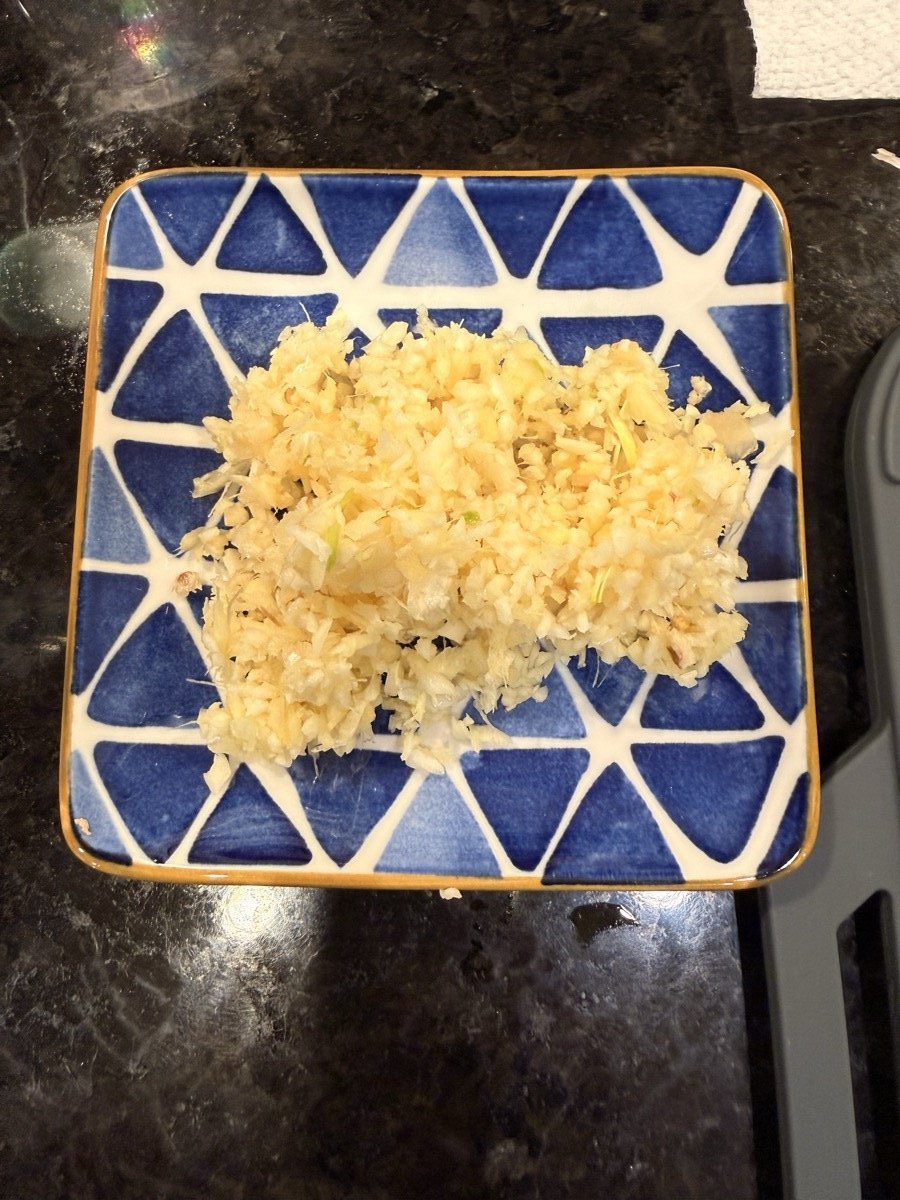
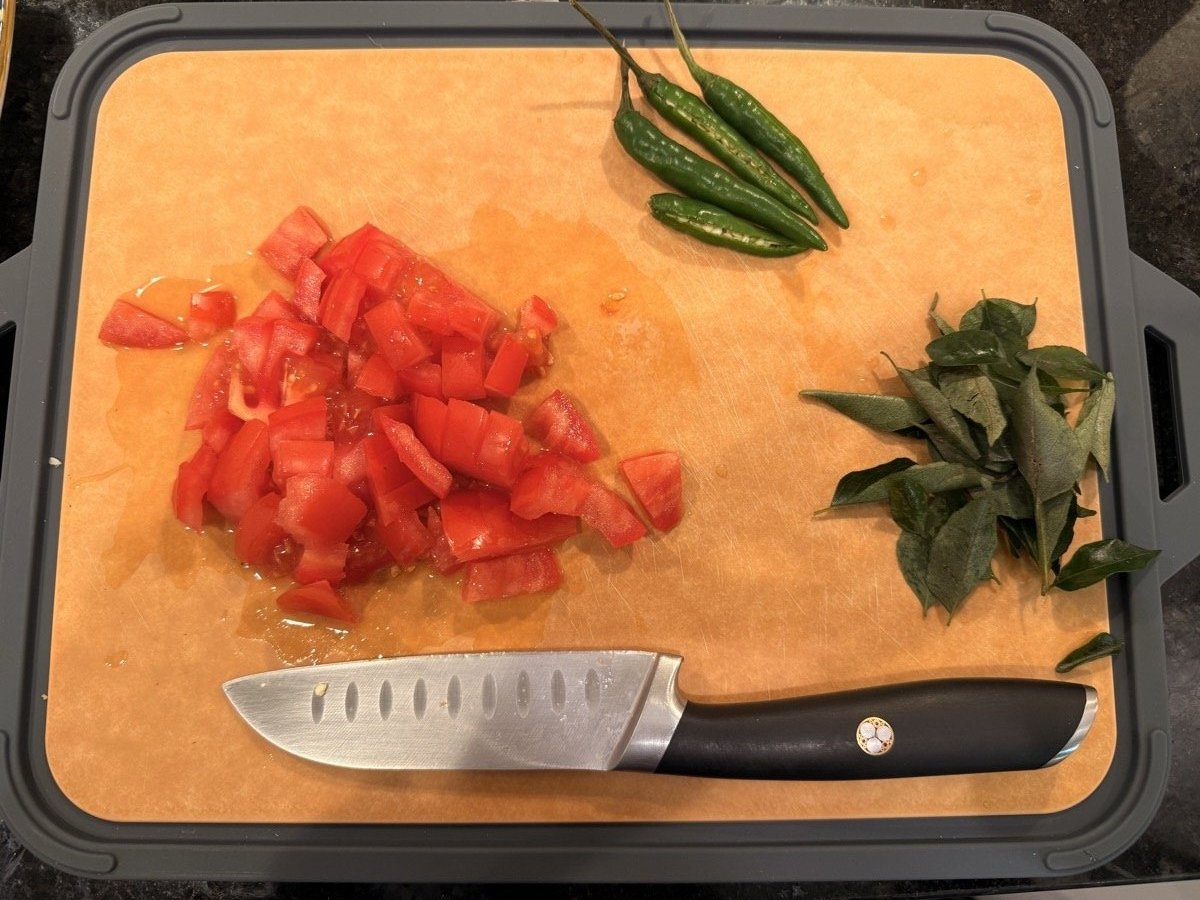
Rinse & Soak
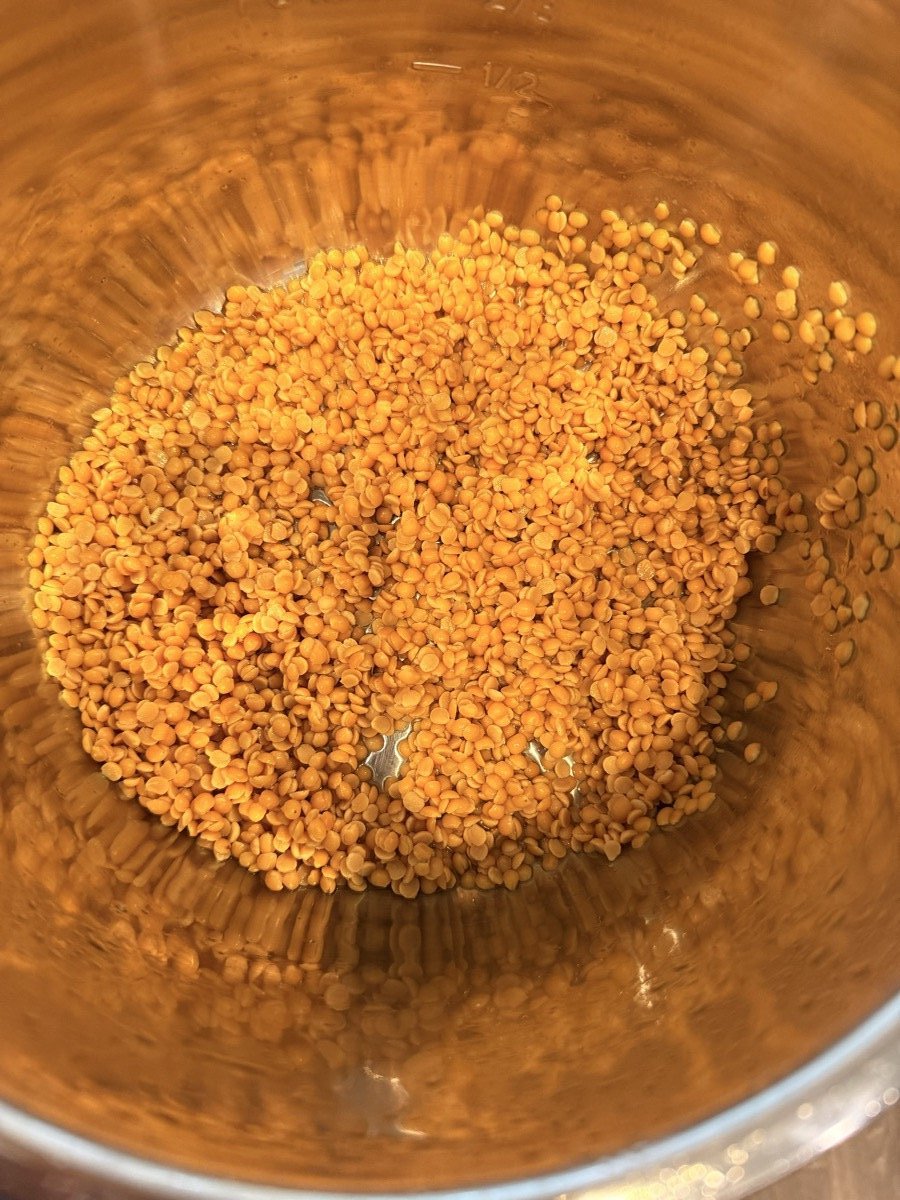
Wash 1 cup of toor dal thoroughly under cold running water until the water runs clear. For silkier, more digestible dal, soak for at least 30 minutes — this little act of patience rewards you enormously.
Pressure Cook
Add the soaked dal to your pressure cooker with 2½ cups of water, 2–3 whole cloves, a pinch of salt, and ½ tsp turmeric. Press your fingertip into the water — it should reach your first knuckle above the dal. Cook on high pressure for 8–9 minutes. Don't worry if it's very soft — that's the beauty of it.
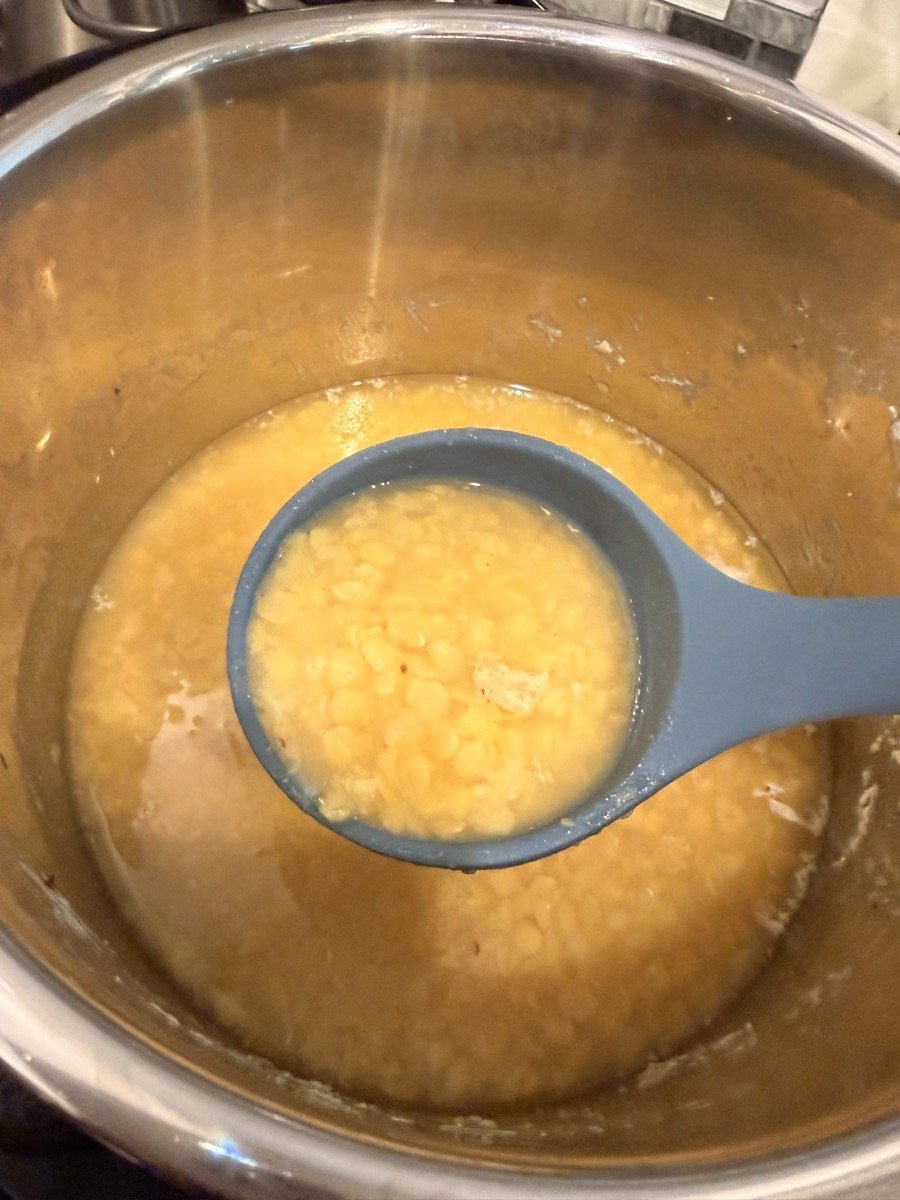
Check & Rest
Release pressure and check your dal. It should be fully tender, melting gently into the golden broth. Set aside while you prepare the tarka — the true soul of the dish.
The Tarkathe tempering — where the magic lives
Tarka (or tadka) is the ancient technique of blooming whole spices in hot fat, then cascading that sizzling, fragrant oil over the cooked dal. It transforms the simple into the sublime.
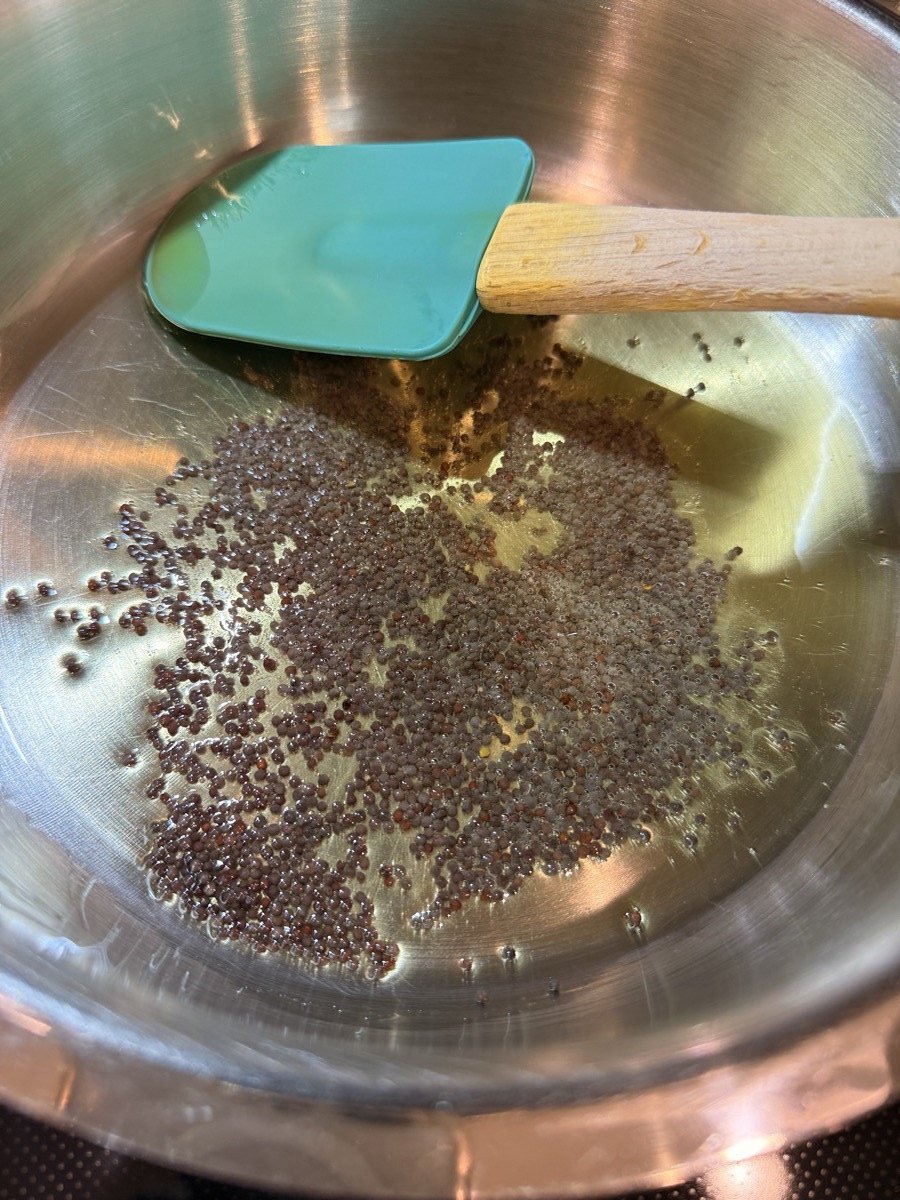
Bloom the Mustard Seeds
Heat a wide pan over medium heat. Add your ghee — use ghee if you can; it elevates the flavour into something truly transcendent. When shimmering, add the mustard seeds and a pinch of asafoetida. Listen for the seeds to begin popping — that crackle is your signal.
Build the Aromatic Base
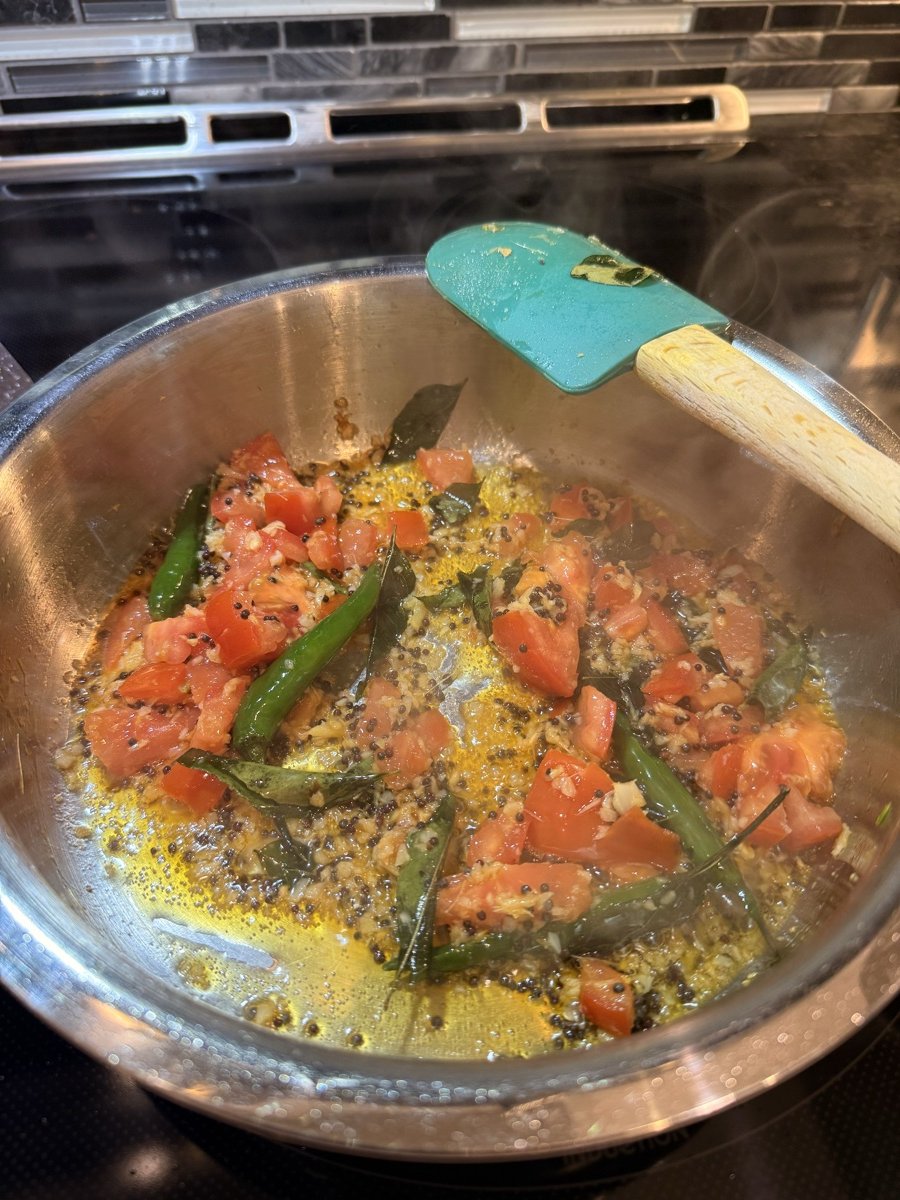
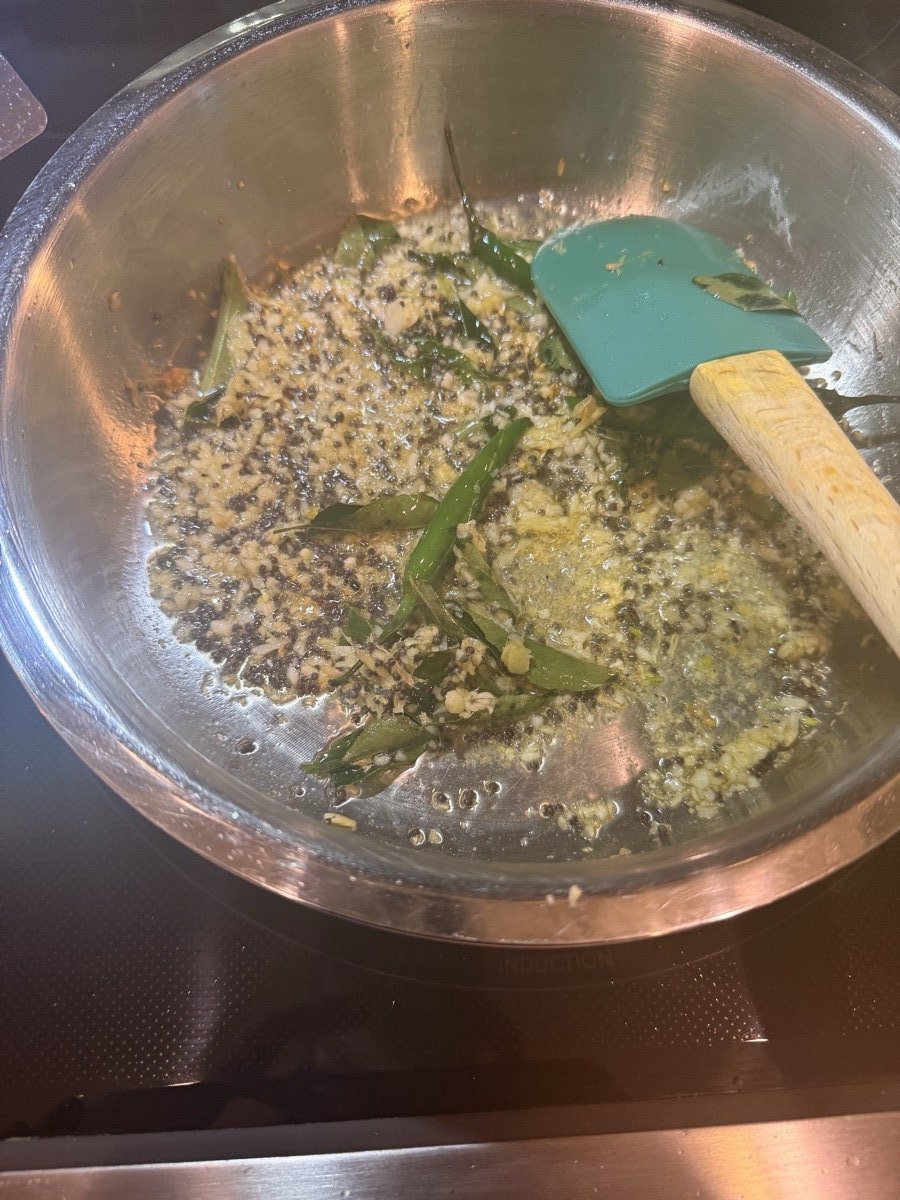
Add the curry leaves (stand back — they will spit and sizzle gloriously), followed immediately by the grated ginger and garlic. Add the slit green chilies. Cook, stirring, until the garlic shows the faintest golden blush at its edges — about 2 minutes.
Add the Tomatoes & Spices
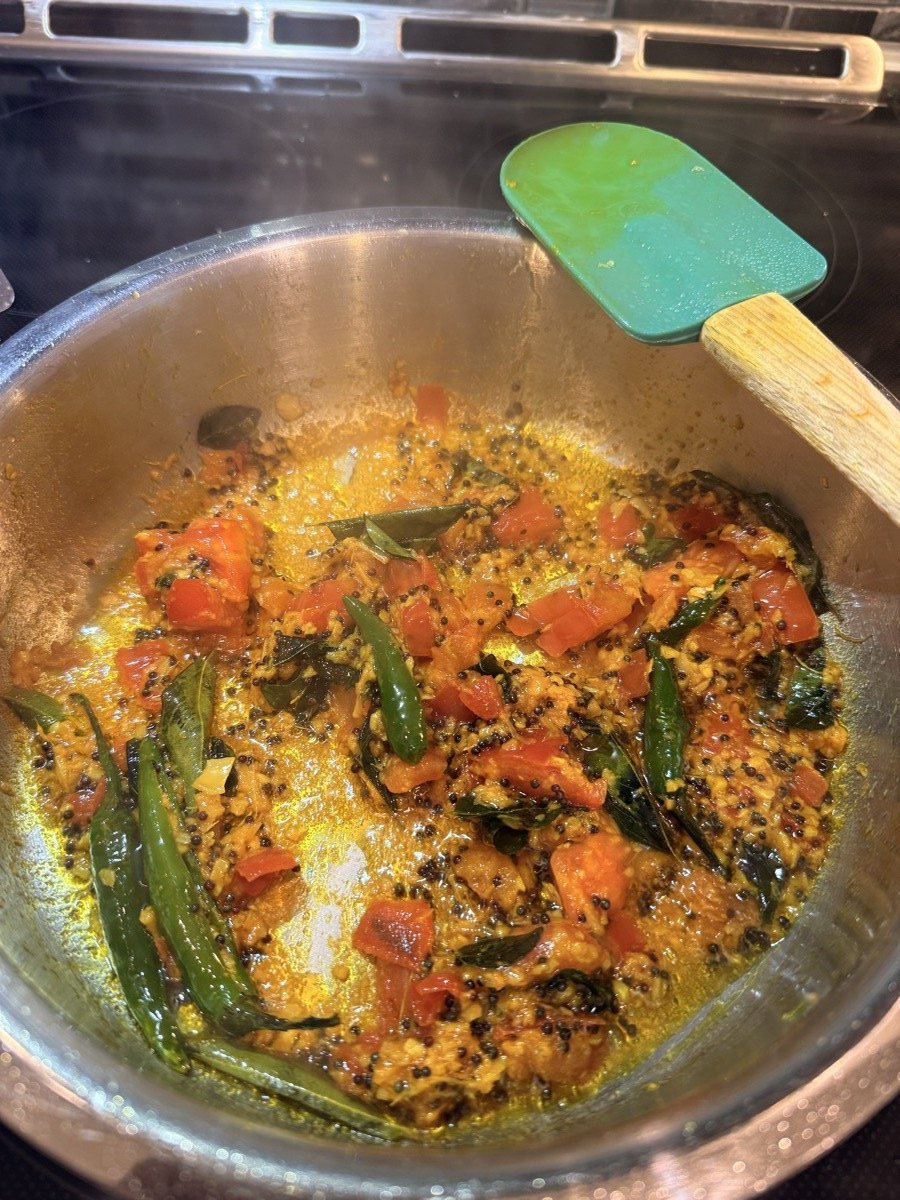
If using onions, add them now and cook until translucent before adding the tomatoes. Tumble in the diced tomatoes. Add turmeric and just a teaspoon of sugar — this is the secret that balances everything. Cook for 2–3 minutes until the tomatoes soften and collapse into the fragrant, golden oil.
The Union
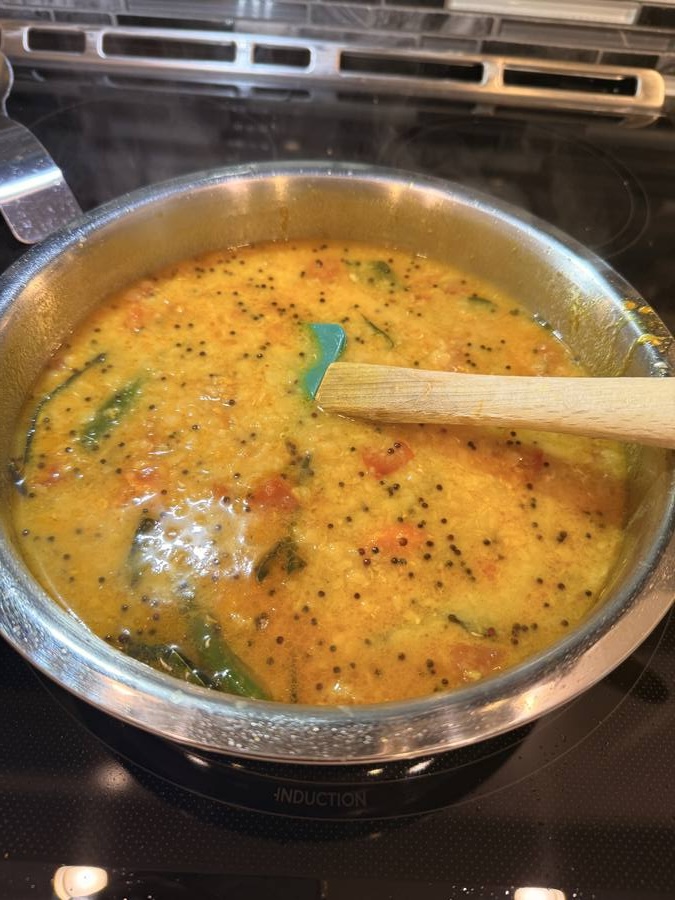
Pour the cooked dal into the tarka and stir gently to marry everything together. Add water if it feels too thick. Taste. Want more heat? Slit a couple more green chilies and drop them straight in. Simmer together for 5 minutes, letting the flavours find each other.
The Finish
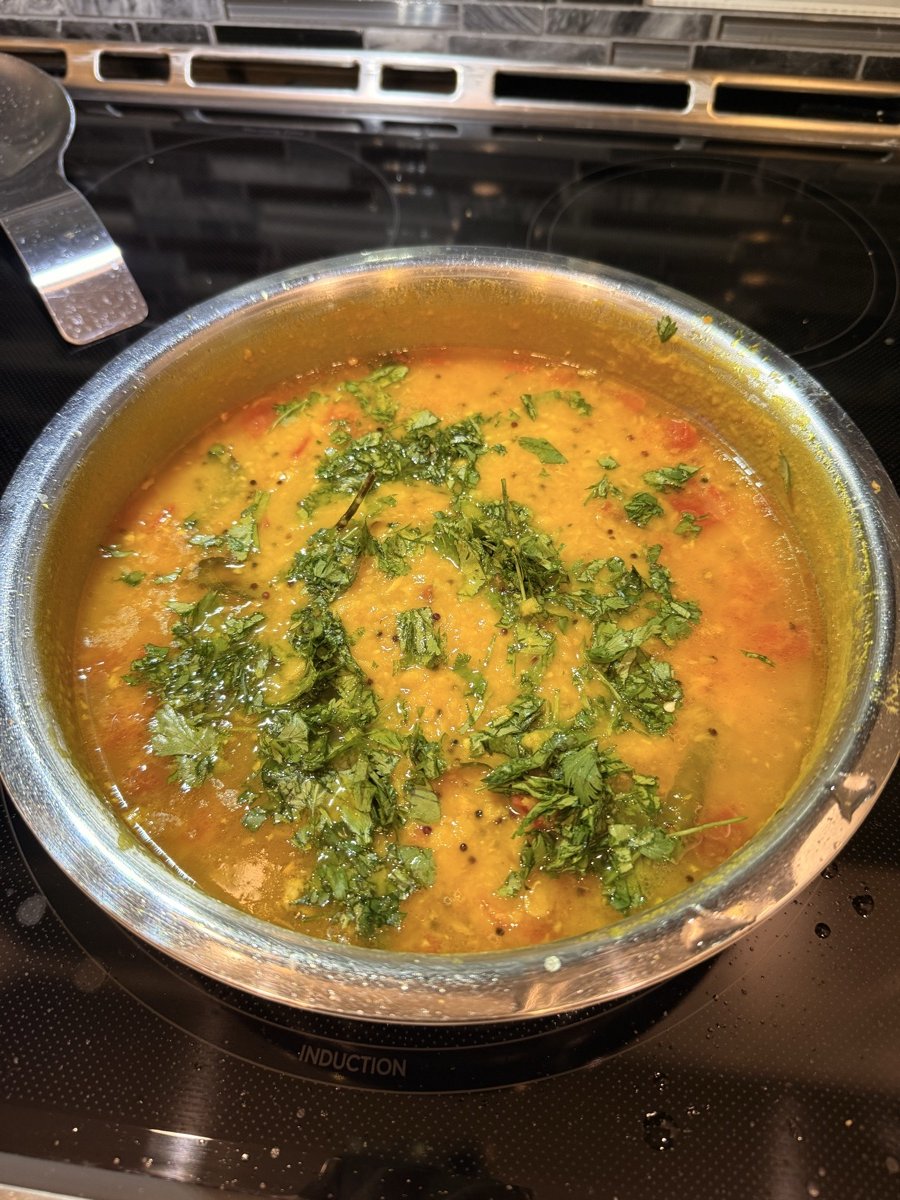
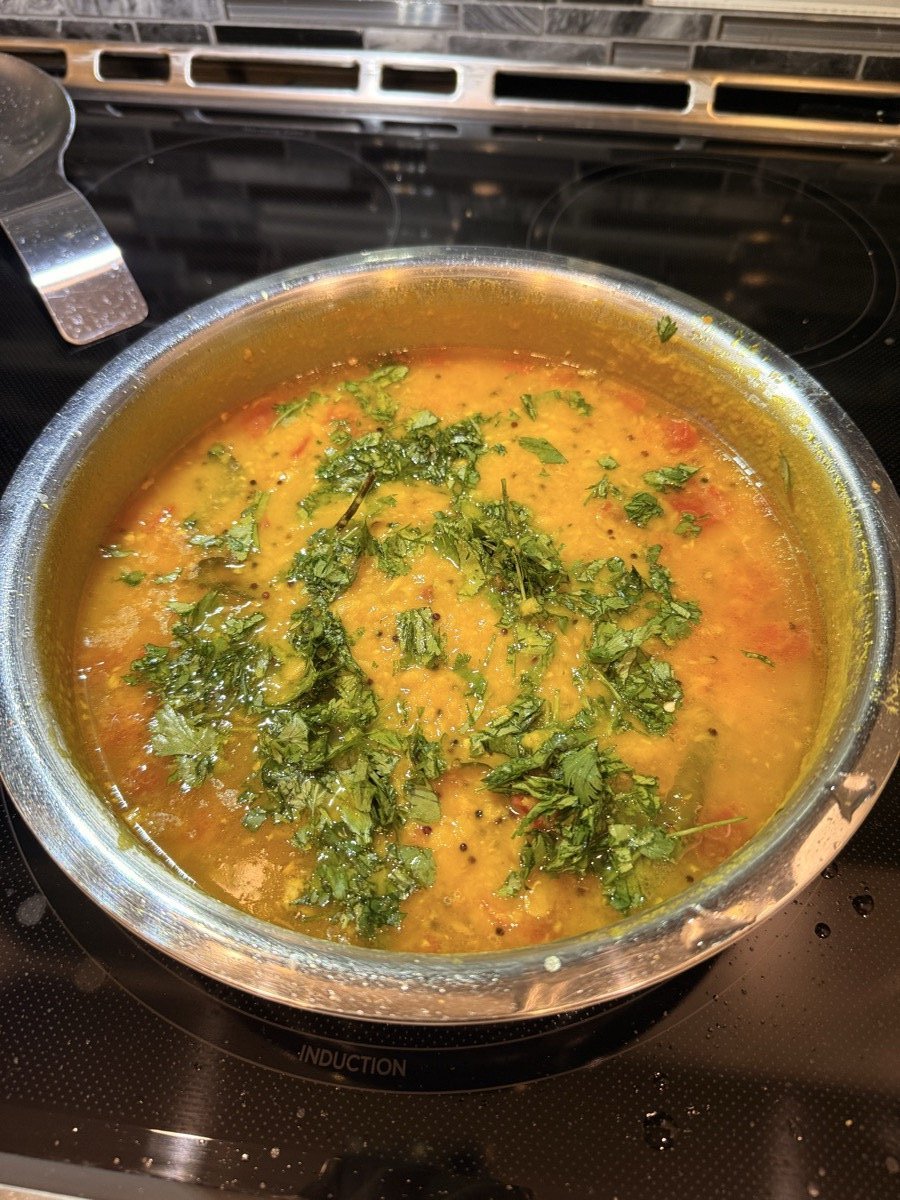
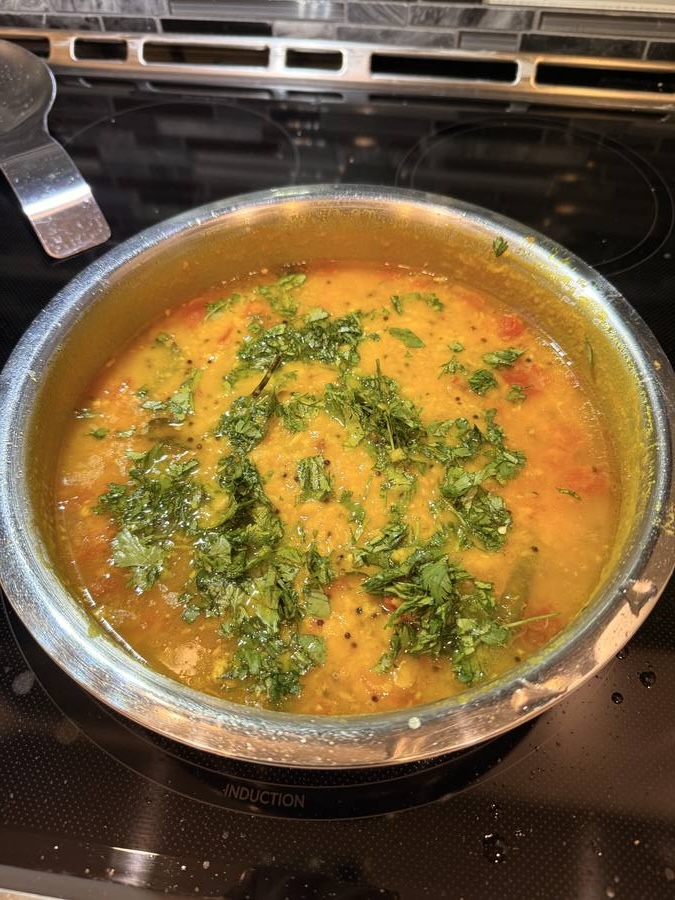
Scatter a generous handful of fresh cilantro over the surface. Let it rest there, wilting gently in the warmth. Adjust salt one final time. Serve with rice or warm roti, and nothing else — it needs nothing else.
A few notes from the cook
- Ghee over oil, always. The flavour difference is worlds apart.
- Asafoetida (hing) smells pungent raw but mellows beautifully when cooked — it also aids digestion wonderfully.
- Curry leaves are worth seeking out at an Indian grocery; nothing quite replicates their citrusy, savory magic.
- Don't fear a very soft dal — silky and tender is the goal, not al dente.
- Soaking the lentils first makes them easier to digest and speeds up cooking.
Dal is love made edible.
Every household has its own version, passed down through memory rather than measurement. This is yours now — make it your own.